






Storing seasonal clothes efficiently is a key step in keeping your home organized and your wardrobe ready for any time of year. Whether you need to pack away bulky winter coats or tuck away summer dresses, the right storage techniques can protect your garments and free up valuable space. This guide covers everything you need to know to store seasonal clothes smartly and maintain their quality until you need them again.
Why Store Seasonal Clothes Properly?
Seasonal clothes often include items you won’t wear for months, like heavy sweaters or swimsuits. Improper storage can lead to wrinkles, fading, or even damage from pests and moisture. Efficient storage not only saves space but also preserves your clothes, helping them last longer and look better when you pull them out again.
—
Step 1: Declutter Before You Store
Before packing clothes away, take time to declutter. Sort your seasonal wardrobe into three categories:
– Keep: Clothes you love and wear regularly.
– Donate/Sell: Items in good condition you no longer want.
– Discard: Worn-out or damaged garments.
This step reduces clutter and ensures you’re only storing items you truly need.
—
Step 2: Clean Clothes Thoroughly
Never store dirty clothes. Oils, dirt, and sweat can attract pests and cause stains to set. Follow these tips:
– Wash or dry clean items according to their care labels.
– Make sure all clothes are completely dry to avoid mildew.
– Treat stains before storage to prevent permanent damage.
—
Step 3: Choose the Right Storage Containers
Proper containers protect your clothes from dust, moisture, and pests. Consider these options:
– Plastic bins with tight-fitting lids: These are great for keeping out moisture and insects.
– Vacuum-seal bags: Ideal for saving space, but avoid using them for delicate fabrics that can be crushed.
– Breathable fabric bags: Perfect for natural fibers that need air circulation, like wool or silk.
Avoid cardboard boxes unless they are stored in a dry, pest-free environment.
—
Step 4: Organize Clothes for Easy Access
When packing your clothes, organization saves time later. Use these organizing tips:
Use Dividers or Smaller Bags
Separate clothing types or outfit sets within your bins using dividers or smaller cloth bags. This keeps items neat and easy to find.
Label Everything Clearly
Label each container with contents and season, so you can quickly grab what you need. Use waterproof labels or tags that won’t fade.
—
Step 5: Store in a Suitable Location
Where you store clothes can affect their condition. Consider these factors:
– Avoid damp or humid areas: Moisture leads to mold and mildew. Basements and garages can be risky unless climate-controlled.
– Keep away from direct sunlight: Sunlight can fade fabrics over time.
– Choose places with stable temperatures: Extreme temperature changes can damage fibers.
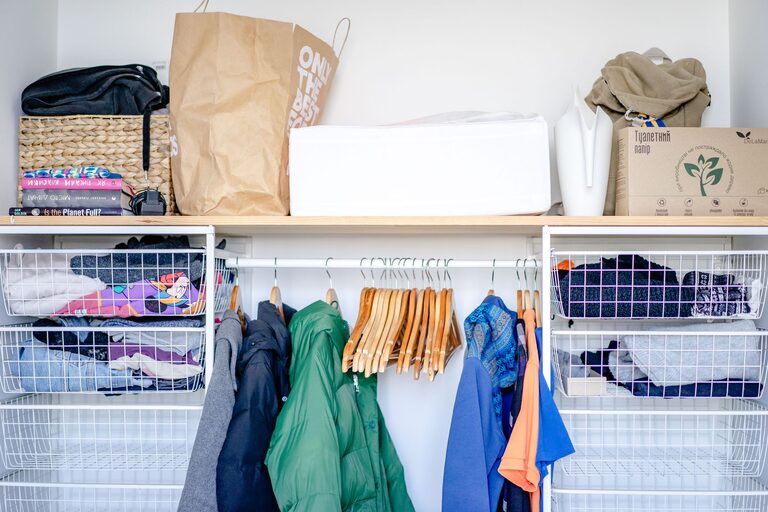
Ideal storage spots include closets, under beds, or dedicated storage rooms.
—
Step 6: Protect Clothes from Pests and Odors
Moths and other pests love targeting stored clothes, especially natural fibers. Here’s how to protect your garments:
– Use natural repellents such as cedar blocks, lavender sachets, or dried herbs.
– Avoid mothballs as they contain chemicals and strong odors.
– Regularly check stored clothes during the off-season to catch any issues early.
—
Step 7: Maintain Your Seasonal Wardrobe
Efficient storage doesn’t end once clothes are packed away. Follow these routines:
– Rotate seasonal clothes periodically to prevent long-term compression.
– Air out stored clothes briefly if possible, especially before repacking.
– Repair any loose buttons, seams, or minor damage before returning clothes to storage.
—
Bonus Tips for Specific Clothing Types
Winter Clothes
– Store heavy sweaters and coats folded rather than hung to avoid shoulder stretching.
– Use breathable bags for wool to allow airflow.
Summer Clothes
– Store swimsuits and light fabrics in breathable containers.
– Add silica gel packets to control moisture.
—
Conclusion
Storing seasonal clothes efficiently takes a little planning and care, but the benefits are worth it. Clean, organized, and well-protected clothes last longer and make dressing easier throughout the year. By following these tips, you can keep your wardrobe fresh and your home clutter-free, ready to transition smoothly between seasons.
—
Remember, good storage habits not only preserve your clothes but also simplify your life! Happy organizing!