






Bringing plants into your home is one of the simplest and most rewarding ways to refresh your living space. Not only do plants add color and life, but they can also improve air quality and create a relaxing atmosphere. Whether you have a green thumb or are new to gardening, incorporating plants into your home décor is easier than you might think.
In this guide, we’ll explore practical tips for selecting the right plants, placing them effectively, and maintaining them so they thrive.
Why Add Plants to Your Home?
Plants have several benefits beyond their visual appeal:
– Improve air quality: Many houseplants naturally filter toxins and increase oxygen.
– Boost mood: Caring for plants can reduce stress and increase feelings of wellbeing.
– Enhance décor: Plants add texture, color, and natural beauty to any room.
– Create a focal point: Unique plants or arrangements can serve as conversation starters.
Choosing the Right Plants for Your Space
Not all plants thrive in every environment, so consider these factors before buying:
Light Levels
– Bright light: Succulents, cacti, and fiddle leaf figs do well.
– Medium light: Pothos, snake plants, and peace lilies adapt easily.
– Low light: ZZ plants and philodendrons tolerate dimmer rooms.
Maintenance Needs
– Low maintenance: Plants like snake plants and pothos require little care.
– Moderate care: Spider plants and ferns need consistent watering.
– High maintenance: Orchids and some tropical plants require more attention.
Space and Size
– Large plants such as rubber trees can fill empty corners.
– Small pots of herbs or succulents fit nicely on shelves or windowsills.
– Hanging plants like string of pearls add greenery without taking floor space.
Creative Ways to Display Plants
Once you’ve chosen your plants, think about how to showcase them beautifully.
Grouping for Impact
– Combine plants with different textures and heights for visual interest.
– Use matching pots or a color theme to unify the look.
– Place groups near seating areas to create a cozy vibe.
Use Vertical Space
– Hang plants in macramé holders or wall-mounted planters.
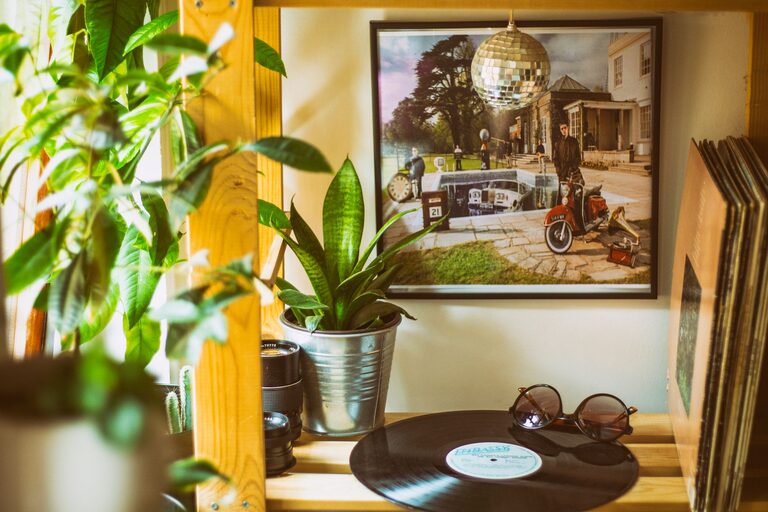
– Install shelves to show off a collection of smaller plants.
– Create a vertical garden with wall planters if floor space is limited.
Mix with Other Décor
– Pair plants with books, candles, or artwork for a layered look.
– Use decorative planters that match your style, from modern to rustic.
– Place plants near mirrors to reflect light and make the space feel larger.
Caring for Your Indoor Plants
Healthy plants are key to a refreshing home environment. Here are some basic care tips:
Watering
– Check soil moisture before watering; most plants prefer to dry out a bit between waterings.
– Avoid overwatering, which can lead to root rot.
– Use room temperature water to avoid shocking roots.
Light and Temperature
– Rotate plants occasionally so all sides receive light.
– Keep plants away from drafts, heaters, or air conditioners.
– Adjust placement if a plant shows signs of too much or too little light.
Feeding and Pruning
– Use a balanced liquid fertilizer during the growing season.
– Remove dead or yellowing leaves to encourage healthy growth.
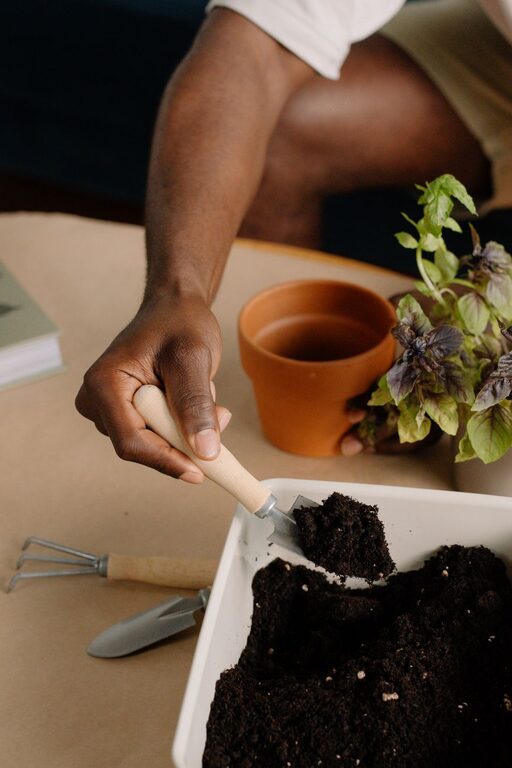
– Repot plants when they outgrow their containers.
Common Mistakes to Avoid
– Ignoring light requirements: Not every plant thrives indoors or in low light.
– Overwatering: This is a common cause of plant death.
– Neglecting humidity: Some tropical plants need higher humidity levels.
– Crowding plants: Giving plants enough space helps prevent disease and promotes growth.
Final Thoughts
Refreshing your home with plants is an enjoyable and creative way to lift your space. Start with a few easy-care varieties and experiment with placement and displays. With minimal effort, you can create a vibrant, welcoming environment that brings you closer to nature every day.
Remember, growing plants is a journey—don’t worry about perfection. Enjoy the process and watch your home come alive with green beauty.