






Starting a small herb garden indoors is a wonderful way to enjoy fresh flavors year-round. Whether you have limited outdoor space or want to add greenery to your kitchen, growing herbs inside is both practical and satisfying. This guide will walk you through everything you need to know to get started with your indoor herb garden.
Why Grow Herbs Indoors?
Indoor herb gardens bring multiple benefits:
– Fresh herbs all year: No need to rely on store-bought herbs that may lose flavor.
– Convenience: Herbs are easily accessible for cooking.
– Space-saving: Ideal for apartments or places without yard space.
– Healthier environment: Indoor plants improve air quality and add natural beauty.
Now, let’s dive into how to start your own small indoor herb garden.
Choosing the Right Herbs
Some herbs thrive indoors better than others. Here are some beginner-friendly options to consider:
– Basil: Loves bright light and warmth.
– Mint: Easy to grow and spreads quickly.
– Parsley: Prefers indirect sunlight and moderate watering.
– Chives: Tolerant of less light and perfect for kitchens.
– Thyme: Requires good light and well-drained soil.
– Oregano: Thrives in sunny windows and is drought resistant.
– Cilantro: Needs cooler temperatures and bright light.
Choose a few that you use often in your cooking, and that fit your indoor conditions.
Selecting Containers
Herbs need proper containers for healthy growth. Keep these tips in mind:
– Size: Choose pots at least 4-6 inches deep to accommodate roots.
– Material: Terracotta and ceramic pots are popular and provide good breathability.
– Drainage: Make sure pots have drainage holes to prevent waterlogging.
– Saucer: Use a saucer to catch excess water and protect your surfaces.
Alternatively, you can use seed trays, recycled containers, or specially designed indoor garden kits.
Preparing the Soil
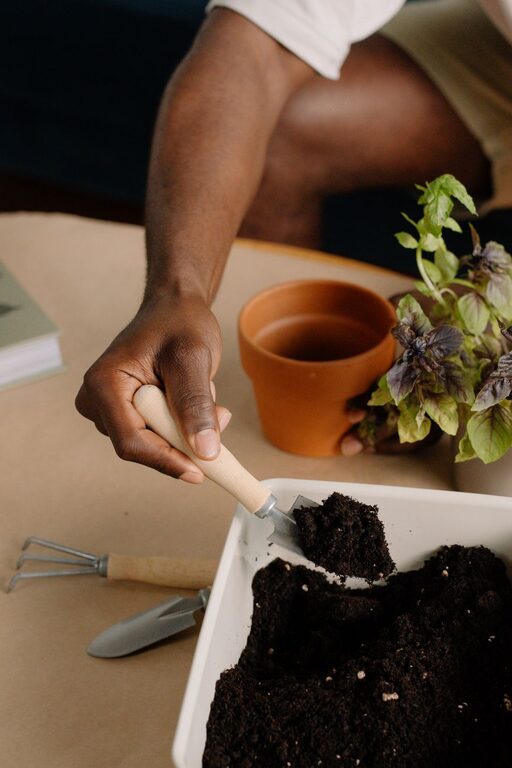
Herbs prefer well-draining soil. Use a potting mix designed for indoor plants or herbs. Avoid heavy garden soil as it may retain too much water.
Tip:
Mix in some perlite or sand to improve drainage if your soil seems dense.
Providing Adequate Light
Light is crucial for healthy herb growth. Here’s what to consider:
– Natural Light: Most herbs require 6-8 hours of sunlight daily. A south-facing window is ideal.
– Supplemental Lighting: If natural light is limited, use LED grow lights for 12-16 hours per day.
– Rotating Plants: Turn your pots regularly to ensure even light exposure.
Watering Your Herbs
Watering is a balance; overwatering can cause root rot, under-watering can dry out plants.
– Check soil moisture by sticking your finger about an inch deep.
– Water when the top inch of soil feels dry.
– Use room temperature water and water gently until it drains out the bottom.
– Avoid letting plants sit in standing water.
Fertilizing
Herbs benefit from occasional feeding.
– Use a balanced, water-soluble fertilizer every 4-6 weeks.
– Dilute fertilizer to half the recommended strength to avoid overfeeding.
– Organic options like compost tea work well too.
Caring for Your Indoor Herb Garden
Pruning and Harvesting
– Regularly pinch back the tips of herbs to encourage bushier growth.
– Harvest leaves as needed, but avoid cutting more than one-third of the plant at a time.
– Remove any yellow or dead leaves to keep plants healthy.
Managing Pests
Indoor herbs can attract pests like aphids or spider mites.
– Inspect plants regularly.
– Wash leaves with a gentle spray of water.
– Use natural remedies such as neem oil if pests persist.
Troubleshooting Common Issues
– Leggy plants: Usually due to insufficient light; move plants to a brighter spot.
– Yellow leaves: Could indicate overwatering or poor drainage.
– Slow growth: Check light, water, and fertilizing routines.
– Wilting: May be caused by underwatering or root problems.
Tips for Success
– Start small with a few herbs to learn their needs.
– Keep a gardening journal to track watering and growth.
– Experiment with different container styles and placements.
– Enjoy the process—growing herbs indoors is a rewarding hobby.
Conclusion
Starting a small herb garden indoors is a simple, enjoyable way to bring fresh flavors and greenery into your home. By choosing the right herbs, containers, and care routines, you can create a thriving garden that enhances your cooking and brightens your space. Happy gardening!